


























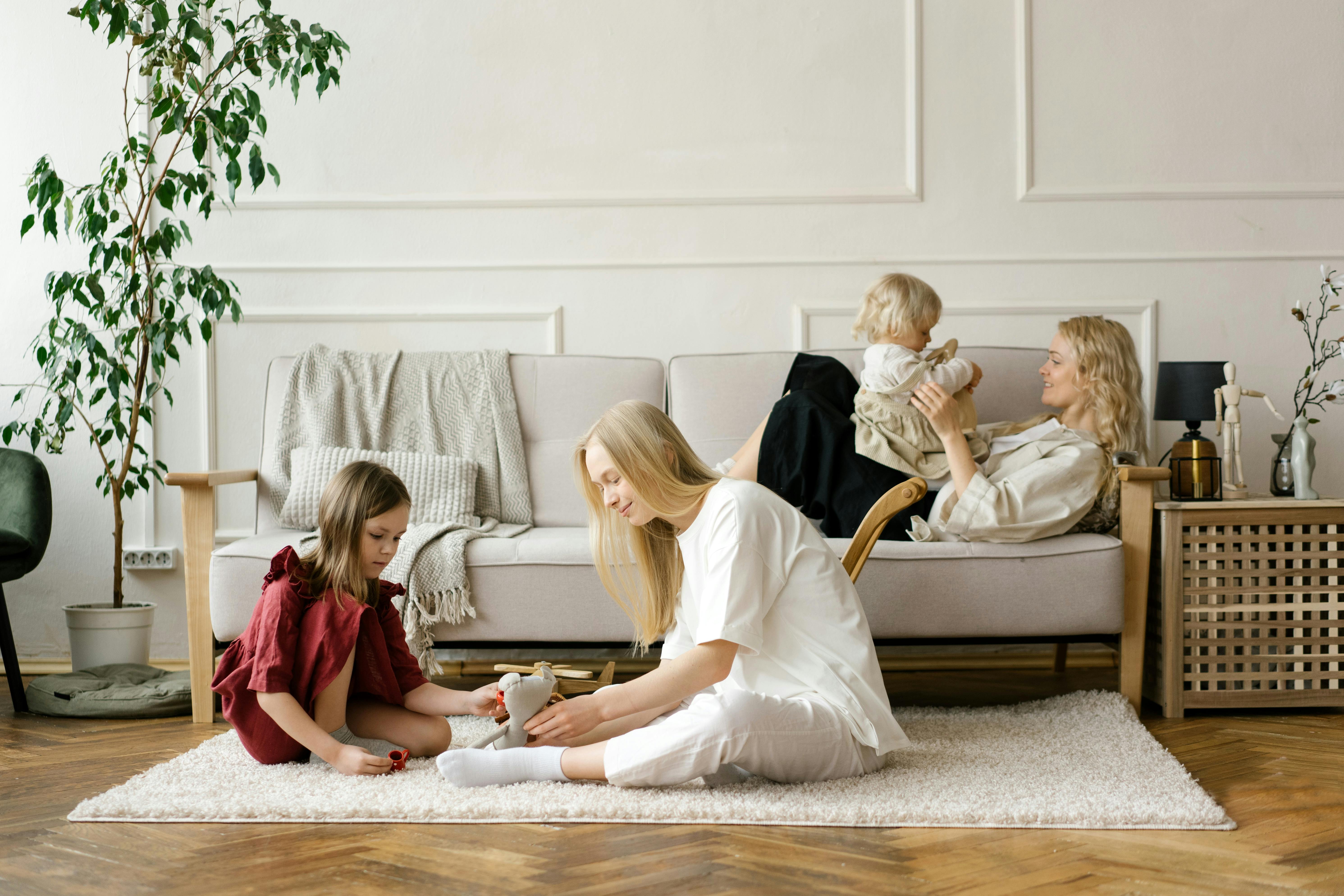
Quality time can be spent with children through shared activities like cooking or reading, regular routines like family dinners, and fun outings like day trips or walks
In the rush of daily children’s life — juggling work, chores, and responsibilities — it’s easy to feel like there just aren’t enough hours in the day. But when it comes to parenting, quality always matters more than quantity. Spending meaningful time with your children helps them feel loved, builds trust, and strengthens your family bond.
You don’t need expensive outings or elaborate plans — even simple, everyday moments can create lifelong memories. Here are some heartfelt and practical ways to spend quality time with your children, no matter their age or stage.
1. Be Fully Present
In today’s world of constant notifications and distractions, one of the greatest gifts you can give your child is your undivided attention.
When you’re with your children, put away your phone, pause your mental to-do list, and really tune in. Listen to their stories — even the long, meandering ones. Watch their expressions, laugh with them, and show genuine curiosity about what they’re saying.
👉 Presence matters more than perfection. Children remember how you made them feel, not how spotless the house was.
2. Create Daily Connection Rituals
Quality time doesn’t have to be long — it just needs to be consistent. Create small rituals that bring you closer:
- A morning hug and chat before school.
- Bedtime stories or affirmations before sleep.
- A “high and low” game at dinner — each person shares the best and hardest part of their day.
These small routines show your child that no matter how busy life gets, there’s always time for connection.
3. Cook or Bake Together
Inviting your kids into the kitchen is a fun, hands-on way to bond. Little ones can stir, pour, or sprinkle, while older kids can help with chopping or reading recipes.
Cooking together teaches patience, teamwork, and healthy habits — but it’s also a chance to laugh over spilled flour or taste-test new creations. And the best part? You get to enjoy the results together!
4. Play Their Way
Play is a child’s language. It’s how they express themselves, learn, and connect. Join them in their world — even if it means crawling on the floor, building Lego towers, or hosting a pretend tea party.
When parents play without trying to teach or control the activity, children feel truly seen and valued. Let them lead; your presence alone turns simple play into special memories.
5. Take a Walk Together
Fresh air and open conversation go hand in hand. Whether it’s a walk around the neighborhood, a hike, or a park visit, shared outdoor time creates space for connection away from screens.
Children often open up more when they’re walking or moving, because the pressure to “sit and talk” disappears. Listen, explore, and let nature guide your time together.
6. Have Family Game Nights
Game nights are a classic way to laugh, bond, and even teach teamwork and patience. Board games, puzzles, or card games — anything that gets everyone together around the table works.
Rotate who picks the game each week so every family member feels included. Remember, it’s not about winning — it’s about sharing joy.
7. Do Creative Projects
Art, crafts, or music are powerful tools for connection. You can paint together, make a scrapbook, plant flowers, or even build something from recycled materials.
These creative moments help children express themselves freely while building confidence and imagination. Plus, you end up with beautiful keepsakes of your time together.
8. Read Together
Reading isn’t just about learning — it’s about closeness. Snuggle up with your little one and dive into stories that spark imagination and conversation.
For older kids, try reading the same book and discussing it — like your own mini book club. Reading together creates a calm, cozy atmosphere and fosters lifelong curiosity.
9. Share Household Tasks
Turn chores into time for connection instead of stress. Fold laundry together while chatting about the day. Cook dinner as a team. Clean up with music playing in the background.
When you make everyday moments collaborative and fun, you teach responsibility while also spending meaningful time together.
10. Have One-on-One Dates
Each child needs individual attention that’s just for them. Plan mini “dates” — it could be a trip to the park, an ice cream outing, or just 15 minutes of one-on-one play at home.
These moments make your child feel special and seen. They remind them that your love is personal and unconditional, not divided.
11. Celebrate the Small Stuff
You don’t need big milestones to celebrate — everyday victories count too. Praise your child for kindness, effort, and progress, not just achievements.
Make small traditions, like “Friday movie night” or “Saturday pancake mornings.” These rituals build anticipation and give your child something joyful to look forward to each week.
12. Talk and Listen from the Heart
As children grow, open communication becomes even more vital. Create a safe space where they can share their thoughts, fears, and dreams without judgment.
Ask questions that invite conversation, not just yes-or-no answers:
- “What made you smile today?”
- “What was something hard that happened?”
- “If you could change one thing about today, what would it be?”
When kids feel heard, they feel loved.
13. Share Your Interests — and Theirs
Let your kids see your passions and involve them when you can — whether it’s gardening, painting, or playing music. And in return, show genuine interest in what they love — sports, gaming, art, or science experiments.
Connection grows when both parent and child feel their interests matter.
14. Embrace the Quiet Moments
Sometimes, the most meaningful time together isn’t about doing anything at all. Sitting side by side, watching a sunset, or cuddling during a movie can say more than words ever could.
Children crave your calm presence — those quiet, unhurried moments become emotional anchors in their hearts.

As parents, you will make choices to ensure time spent with your children is high-quality. Here are nine tips for busy families:
- Have a daily “connect” time with your child. Do this face-to-face, if possible; but if this isn’t an option, create a routine for doing so in other ways, such as leaving a note in your child’s lunch bag, posting a note by his toothbrush, or writing an encouraging saying on a shared whiteboard in the house.
- Create a special ritual for you and your child—something that can be done every day. For example, let your child choose and read one book with you at bedtime.
- Tell your child you love her every day. And tell her how important she is to you and how she makes you feel.
- Reinforce positive behavior. For example, if your child completes his chores without your asking, acknowledge it with words of appreciation—even if you don’t have the chance to do so until the next day.
- Make and eat meals with your children whenever possible. If time is limited, look for simple meals that require very little preparation, or grab a healthy snack such as an apple and sit for a few minutes, and chat with your child.
- Schedule time for doing an activity of your child’s choosing. Be sure to follow through and complete the activity without any distractions.
- Play with your child, even if it’s during bath time or outside before you drop her off at preschool. Every little bit of time makes a positive impact!
- Laugh and be silly with your child.
- Turn off technology when you spend time with your child. Try not to text, answer calls, scroll through social media, or watch television.
Also some Key points
- Quality time with your children helps to build your relationship.
- You can spend quality time together as part of everyday activities, or you can plan quality time during play, games, and other activities.
- Try activities like preparing food, reading, playing word games, going to the park, and more.
FAQ:
1. What is quality time?
Quality time is time that you spend tuning in and being in the moment with your kids. It’s thinking about what’s going on for your child, and talking, listening, or playing with them.
Quality time can happen anytime and anywhere.
2. Why quality time is good for your child
Spending quality time with you is good for your child’s development and well-being. That’s because it builds your relationship and boosts your child’s confidence.
Final Thoughts
Quality time doesn’t need to be complicated or costly. What children remember most is how you made them feel — safe, loved, and valued. Whether it’s five minutes or an afternoon, your attention, presence, and love make the difference.
As you go about your week, look for little windows of connection — bedtime snuggles, car rides, or dinner conversations. They may seem ordinary now, but to your child, they’re moments that shine.
Because at the end of the day, it’s not about having time — it’s about making time. Every minute you invest in your relationship today lays the foundation for a lifetime of trust, love, and joy.
kidsmodelistamagazine