





















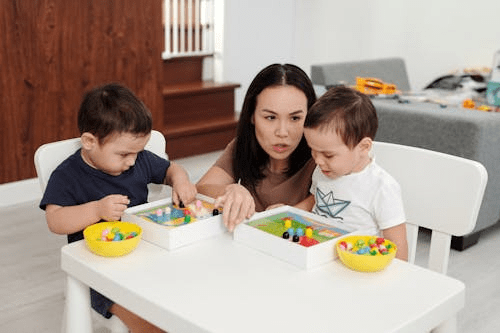
Fun learning activities at home for toddlers focus on sensory play, art, music, and pretend play, using simple items like water, paint, blocks, and household objects to build skills in motor control, language, and problem-solving. Try sensory bins with rice, water play with toys, making car tracks with painter’s tape, creating art with animal footprints or sponge painting, and interactive storytime to keep them engaged and learning through play.
Toddlers are naturally curious, energetic, and eager to explore their world. Every moment—from stacking blocks to splashing in water—can be a learning opportunity. The best part? You don’t need expensive toys or formal lessons to support your toddler’s development. With simple, fun learning activities at home, you can nurture their cognitive, physical, emotional, and social skills while creating joyful bonding moments.
This guide offers engaging, age-appropriate activities that transform everyday moments into meaningful learning experiences—without pressure, stress, or screens.
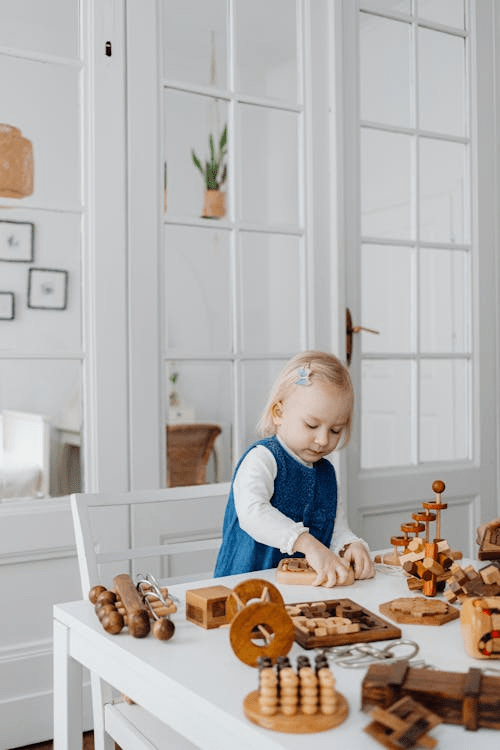
Why Learning Through Play Matters for Toddlers
Toddlers learn best through play. Play-based learning helps children:
- Develop language and communication skills
- Improve fine and gross motor coordination
- Build problem-solving and critical thinking abilities
- Strengthen emotional regulation and confidence
- Encourage creativity and imagination
At this stage, learning should feel fun, not forced. The goal is exploration—not perfection.
Setting Up a Toddler-Friendly Learning Environment
Before diving into activities, create a space that encourages safe exploration:
- Keep materials within reach
- Use non-toxic, age-appropriate items
- Rotate toys and activities weekly to maintain interest
- Allow mess—it’s part of learning!
A calm, organized environment helps toddlers focus while still allowing freedom.
1. Sensory Play Activities
Sensory play stimulates your toddler’s senses and supports brain development.
Sensory Bins
Fill a shallow container with:
- Rice, pasta, or oats
- Cups, spoons, and small containers
Let your toddler scoop, pour, and explore textures. This improves fine motor skills and hand-eye coordination.
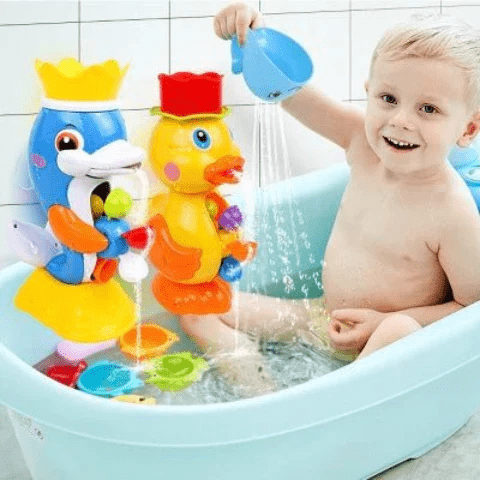
Water Play
Water play is endlessly engaging:
- Use bowls, cups, and floating toys
- Practice pouring and splashing
Add vocabulary by naming actions: “pour,” “empty,” “full.”
2. Language and Communication Activities
Language development accelerates during toddlerhood.
Read Together Daily
Choose books with:
- Bright pictures
- Simple words
- Repetitive phrases
Ask questions like, “Where’s the dog?” and encourage pointing.
Sing Songs and Nursery Rhymes
Songs build memory, rhythm, and speech patterns. Add actions for extra fun and movement.
Talk Through Daily Tasks
Describe what you’re doing: “I’m cutting the apple. It’s red.” Everyday conversations strengthen vocabulary naturally.
3. Fine Motor Skill Activities
Fine motor skills prepare toddlers for writing and self-care.
Sticker Play
Let your toddler peel and stick stickers on paper. This improves finger strength and coordination.
Sorting Games
Sort items by:
- Color
- Size
- Shape
Use toys, socks, or household objects.
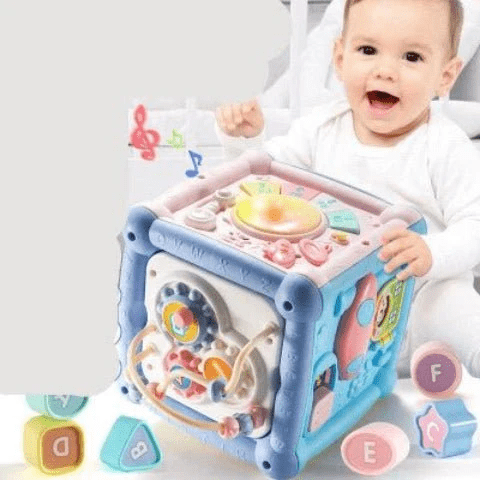
Play-Doh Fun
Squeezing, rolling, and shaping dough strengthens hand muscles and boosts creativity.
4. Gross Motor Activities
Toddlers need movement to develop balance and strength.
Indoor Obstacle Course
Use pillows, tunnels, and cushions to:
- Crawl under
- Climb over
- Jump safely
Dance Time
Play music and dance together. Dancing improves coordination and emotional expression.
Ball Play
Rolling, throwing, and kicking balls develop coordination and spatial awareness.
5. Creative and Art Activities
Creativity allows toddlers to express emotions and ideas.
Mess-Free Painting
Use:
- Water painting books
- Ziplock bags with paint inside
Coloring and Scribbling
Large crayons or washable markers are perfect for toddlers. Focus on the process, not the result.
Music Exploration
Let toddlers explore instruments like shakers, drums, or homemade instruments.
6. Practical Life Learning
Daily routines are powerful learning tools.
Helping in the Kitchen
Let your toddler:
- Wash vegetables
- Stir batter
- Stack containers
This builds independence and confidence.
Tidying Up Together
Turn cleanup into a game by singing a song while putting toys away.
Dressing Practice
Encourage your toddler to:
- Pull up pants
- Put on socks
These tasks build self-esteem and coordination.
7. Cognitive and Problem-Solving Activities
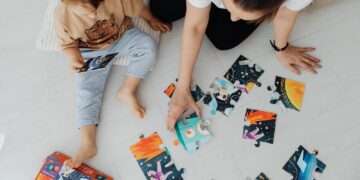
Puzzles
Simple puzzles help toddlers:
- Recognize shapes
- Improve focus
- Build patience
Matching Games
Match:
- Colors
- Animals
- Objects
Cause-and-Effect Toys
Toys that react to actions teach logical thinking.
8. Imaginative and Pretend Play
Pretend play encourages emotional and social growth.
Role Play
Play:
- House
- Grocery store
- Doctor
Use everyday objects to spark imagination.
Stuffed Animal Play
Encourage your toddler to:
- Feed
- Tuck in
- Comfort toys
This builds empathy and nurturing skills.
9. Outdoor Learning at Home
Nature offers endless learning opportunities.
Nature Walks
Point out:
- Birds
- Leaves
- Colors
Gardening
Let toddlers:
- Dig soil
- Water plants
Sidewalk Chalk
Draw shapes, letters, or hopscotch outdoors.
10. Screen-Free Learning Time
While technology has its place, hands-on learning is most effective for toddlers. Limiting screen time allows toddlers to:
- Engage more deeply
- Improve focus
- Strengthen real-world skills
Choose interactive, real-life activities whenever possible.
Tips for Making Learning Fun and Stress-Free
- Follow your toddler’s interests
- Keep activities short (5–15 minutes)
- Praise effort, not outcome
- Allow repetition—it builds mastery
- Be present and encouraging
Learning should feel joyful, not pressured.
Creating a Simple Daily Learning Routine
You don’t need a strict schedule. A flexible rhythm works best:
- Morning: movement and music
- Midday: sensory or fine motor play
- Afternoon: reading or creative time
- Evening: quiet activities and bonding
Consistency helps toddlers feel secure while exploring freely.
FAQ:
1. What are fun learning activities for toddlers?
Many activities such as throwing a ball, pushing and pulling objects, arranging simple puzzles, reading a book, playing in the sandbox, blowing bubbles, cooking and baking, doing art activities, and alike are great for toddlers to enjoy and learn. Have fun with your toddlers; they grow fast.
2. What are creative learning activities?
- Technology-Assisted Creativity.
- Art and Craft Activities.
- Imaginative Play.
- Building and Construction Activities.
- Music and Dance Activities.
- Outdoor Creative Activities.
- Science and Sensory Activities.
- Reading and Storytelling Activities.
3. What is Magical Ride?
Place your baby on their stomach on a towel or blanket on a soft, obstruction-free surface. Hold the corners and slowly move around the room, taking your baby on a fun, safe ride!
4. What are some good books for toddlers about numbers and counting?
Excellent books for toddlers about numbers and counting often feature engaging illustrations, repetitive rhymes, and interactive elements like lift-the-flaps or textures to make learning fun.
5. How to teach a toddler to stay in their room?
On the first night, you might only leave the room for three minutes, then five minutes, then ten minutes, and so on, providing a brief, reassuring check-in at each interval. Each night, you can continue to add time between check-ins.
Final Thoughts
Fun learning activities at home help toddlers grow in confidence, creativity, and curiosity. By turning everyday moments into playful learning experiences, you nurture your child’s development while strengthening your bond.
Remember, you are your toddler’s first and most important teacher. Your love, patience, and presence matter more than any activity or toy. Celebrate small milestones, enjoy the mess, and embrace the magic of learning together.
kidsmodelistamagazine