












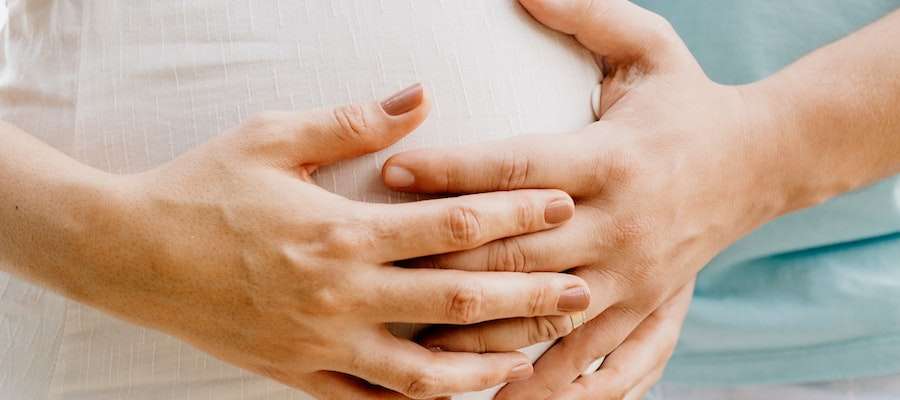


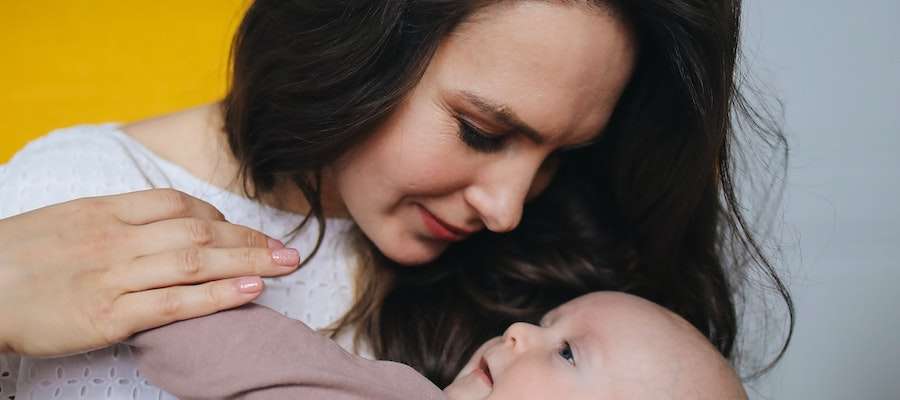



Pregnancy and childbirth are powerful, life-changing experiences—but recovery after pregnancy is just as important as the journey itself. After giving birth, your body and mind go through significant changes. Hormones shift, muscles heal, emotions fluctuate, and your daily routine transforms completely.
Postpartum recovery is not a race. There is no “right” timeline, and every mother’s experience is different. Some days you may feel strong and hopeful; other days, exhausted and overwhelmed. All of it is normal.
This guide explores the best ways to recover after pregnancy, offering practical, compassionate tips to help you heal physically, emotionally, and mentally—while caring for your newborn and yourself.
1. Give Your Body Time to Heal
One of the most important aspects of postpartum recovery is patience. Your body spent months growing a baby, and it needs time to recover.
Physical Healing After Birth
- Your uterus needs time to shrink back to its pre-pregnancy size
- Muscles and ligaments stretched during pregnancy must slowly tighten
- If you had stitches or a C-section, healing takes additional care
Avoid comparing your recovery to others. Healing is not linear, and pushing yourself too soon can delay recovery.
💡 Tip: Listen to your body. Rest when you feel tired, and don’t rush back into physical activity.
2. Prioritize Rest and Sleep Whenever Possible
Sleep deprivation is one of the hardest parts of postpartum life. While uninterrupted sleep may be unrealistic, rest is essential for recovery.
How to Get More Rest as a New Mom
- Sleep when your baby sleeps, even during the day
- Share nighttime duties when possible
- Let go of non-essential tasks
- Accept help so you can rest
Rest supports hormone balance, emotional stability, milk production, and physical healing.
Remember: rest is not laziness—it’s recovery.
3. Nourish Your Body with Healthy Foods
Your body needs extra nutrients after pregnancy, especially if you are breastfeeding.
Foods That Support Postpartum Recovery
- Protein-rich foods (eggs, fish, lean meats, legumes)
- Whole grains for energy
- Fruits and vegetables for vitamins and minerals
- Healthy fats for hormone balance
- Plenty of water to stay hydrated
Good nutrition helps:
- Restore energy
- Support healing
- Improve mood
- Strengthen immunity
💡 Tip: Choose simple, nourishing meals over perfection. Easy, healthy food is enough.
4. Take Care of Your Pelvic Floor
Pregnancy and childbirth place a lot of strain on the pelvic floor muscles. Strengthening them is essential for recovery.
Why Pelvic Floor Care Matters
- Helps prevent bladder leaks
- Supports core strength
- Improves posture and stability
Gentle Pelvic Floor Exercises
- Kegel exercises (when approved by your doctor)
- Deep breathing
- Postpartum physical therapy if needed
If you experience pain or discomfort, consult a healthcare provider or pelvic floor specialist.
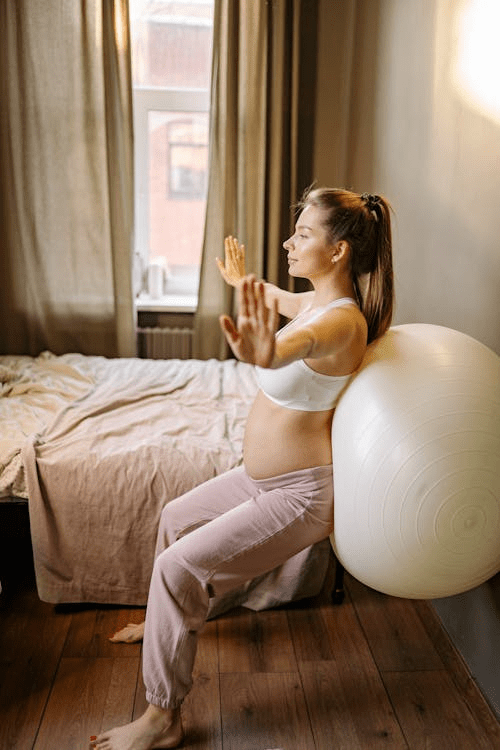
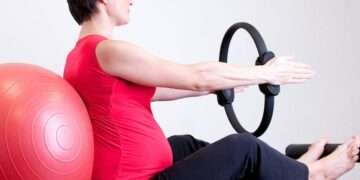
5. Ease Back into Physical Activity Slowly
Exercise after pregnancy should be gentle and gradual.
Safe Postpartum Movement
- Short walks
- Light stretching
- Postnatal yoga
- Breathing exercises
Avoid intense workouts until your doctor gives clearance—especially after a C-section.
Movement helps:
- Improve circulation
- Reduce stiffness
- Boost mood
- Rebuild strength
💡 Tip: Even 10 minutes of gentle movement counts.
6. Support Your Emotional and Mental Health
Postpartum recovery isn’t just physical—it’s deeply emotional.
Emotional Changes After Pregnancy
- Mood swings due to hormone changes
- Baby blues
- Anxiety or overwhelm
- Postpartum depression (in some cases)
These feelings are common, but they should never be ignored.
Ways to Support Mental Health
- Talk openly about your feelings
- Journal your thoughts
- Connect with other mothers
- Seek professional help if emotions feel heavy or persistent
💗 You are not weak for needing support—you are human.
7. Accept Help Without Guilt
Many new mothers feel pressure to “do it all.” This mindset can slow recovery and increase stress.
Accepting Help Looks Like:
- Letting others cook or clean
- Asking your partner to share responsibilities
- Allowing family or friends to care for the baby while you rest
Healing happens faster when you are supported.
8. Create Gentle Daily Routines
Simple routines help bring stability during postpartum recovery.
Helpful Postpartum Routines
- Morning hydration and nourishment
- Gentle movement
- Rest breaks
- Bedtime wind-down rituals
Routines don’t need to be strict—they simply provide structure and predictability during a new phase of life.
9. Be Patient with Your Postpartum Body
Your body may look and feel different after pregnancy—and that’s okay.
Common Postpartum Body Changes
- Loose skin
- Stretch marks
- Weight changes
- Breast changes
These changes are signs of strength, not failure.
💡 Tip: Focus on what your body has accomplished rather than how it looks.
10. Stay Connected to Other Mothers
Sharing experiences with other moms helps normalize postpartum challenges.
Benefits of Mom Communities
- Emotional support
- Practical advice
- Reduced isolation
- Reassurance that you’re not alone
Whether online or in person, connection matters.
11. Practice Self-Compassion Every Day
Recovery after pregnancy requires kindness—especially toward yourself.
Replace Self-Criticism With:
- “I’m learning as I go.”
- “I’m doing my best today.”
- “Healing takes time.”
Your words to yourself matter.
12. Know When to Seek Medical Support
While many postpartum changes are normal, some symptoms require medical attention.
Contact a Healthcare Provider If You Experience:
- Persistent sadness or anxiety
- Severe pain
- Heavy bleeding
- Signs of infection
- Extreme exhaustion
Tips to Help Your Postpartum Recovery
A lot of healing after childbirth happens naturally, but there are a few things you can do to help your body bounce back.
Core strengthening exercises. Try exercises that target your abdominal muscles in your torso. This will help the muscles grow stronger and provide you with greater support.
Prenatal vitamins. Keep taking your prenatal vitamins while you breastfeed. They’ll help restore nutrients you lost during pregnancy and support your body as it heals. Your doctor may recommend that you take other supplemental vitamins like iron and vitamin C, too.
Kegels. After giving birth, it’s common to have weak pelvic floor muscles (muscles located at the bottom of the pelvis that support the bladder) that make bladder control challenging. You can help prevent leaking by doing Kegel exercises.
Kegel exercises are done by tightening your pelvic floor muscles, holding tight for 3 to 5 seconds, relaxing and repeating.
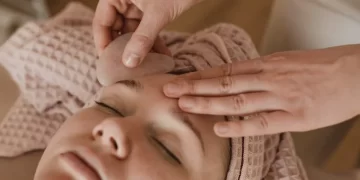
Retinoid cream. Retinoid creams contain vitamin A which can help reduce the appearance of stretch marks. Applying some of this cream on your skin can be highly beneficial. The faster you move on this, the better, though. Once stretch marks have turned white, it might be too late.
Sex life. After you get approval from your doctor, you can get back to your sex life as soon as you feel comfortable. Take it slow and use vaginal lubrication as needed.
Get Support. As a new parent, it can be tempting to take everything on by yourself. Lean on your existing support network to get the space you need for your mental and physical health after childbirth. Family, friends, or neighbors are often willing to lend a hand so that you can take a quick nap or a walk around the block.
FAQ:
How to recover quickly after pregnancy?
Your body goes through many physical and emotional changes during this time, with some symptoms lasting months after you give birth. Getting rest, allowing your body time to heal and eating nutritious foods can help you recover from childbirth.
Do and don’ts after pregnancy?
For moms who had a natural birth, exercise can begin within 2 – 3 days after giving birth. If you had a C-section, it is best to wait about 6 weeks after birth before you start exercising. The sooner the better, but heavy lifting and strenuous exercise should be avoided the first month after giving birth.
How to improve the body after pregnancy?
Things you can do include:
- Pelvic floor exercises – wait until 6 weeks after giving birth if you had a forceps or vacuum delivery.
- correcting your posture.
- gentle strengthening exercises.
- walking regularly – you can start with a few minutes of walking and gradually build up to 30 minutes 5 days per week.
How long does it take for a mother to fully recover from pregnancy?
Your postpartum recovery won’t be just a few days. Fully recovering from pregnancy and childbirth can take months. Although many women feel mostly recovered by 6-8 weeks, it may take longer than this to feel like yourself again. During this time, you may feel as though your body has turned against you.
Final Thoughts: Postpartum Recovery Is a Journey, Not a Deadline
Recovering after pregnancy is not about “bouncing back”—it’s about moving forward with care, patience, and self-respect. Your body, mind, and heart deserve time to heal after such a profound experience.
kidsmodelistamagazine