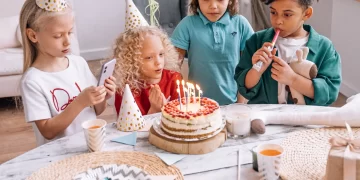

















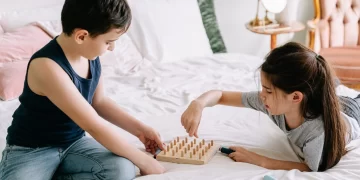








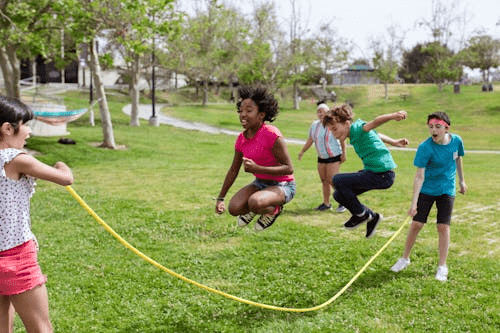
Play is much more than a way for children to pass time—it’s one of the most important parts of childhood development. Through games, children learn problem-solving, teamwork, communication, creativity, emotional intelligence, and physical coordination. Whether you’re a parent, teacher, caregiver, or simply someone who loves spending time with kids, having a variety of games ready can turn any moment into a joyful adventure.
Classic games for kids include hide-and-seek, tag, and Simon Says, while scavenger hunts, obstacle courses, and dance parties are great for active indoor fun. You can also play board games like Ludo or card games like Pictionary. For outdoor activities, Frisbee, sidewalk chalk games, and even building a giant fort are excellent options.
This comprehensive blog offers a rich list of games for children, including indoor and outdoor games, educational activities, sensory play, imaginative games, and options for different age groups. With this guide, you’ll never run out of ideas to keep kids engaged, learning, and entertained.
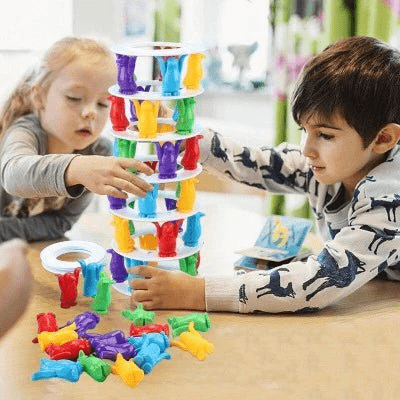
Why Games Are Important for Children
Before diving into the list, it’s helpful to understand why games matter so much in childhood.
- Social Development: Games teach sharing, taking turns, cooperation, and empathy.
- Cognitive Growth: Many games strengthen memory, focus, counting, and critical thinking.
- Physical Skills: Running, jumping, and balancing help build coordination and motor skills.
- Emotional Health: Play reduces stress and boosts confidence and resilience.
- Creativity & Imagination: Pretend play and storytelling unlock imagination and self-expression.
Now, let’s explore some incredible games that children absolutely love.
Games for Toddlers (1–3 Years)
Toddlers learn best through sensory play, repetition, and simple movement-based activities. These games are safe, fun, and developmentally friendly.
1. Peek-a-Boo: A timeless classic! Peek-a-boo teaches object permanence—the understanding that things still exist even when unseen. Toddlers love the surprise, and it strengthens emotional bonding.
2. Bubble Chasing: Blowing bubbles and letting toddlers chase, pop, and laugh through them helps develop hand–eye coordination and gross motor skills. It’s also perfect for outdoor play on sunny days.
3. Rolling Ball Game: Sit on the floor and roll a soft ball back and forth. This helps toddlers practice coordination and social turn-taking.
4. Stacking Rings or Cups: These games enhance fine motor skills, spatial awareness, and color recognition. Kids can stack, sort, and knock down—endlessly entertaining!
5. Animal Sounds Game: Make animal sounds and let the toddler guess or imitate. It’s simple, silly, and excellent for early language development.
Games for Preschoolers (3–5 Years)
Preschoolers are curious, imaginative, and full of energy. They enjoy games that mix creativity, physical activity, and learning.
1. Hide and Seek: This classic boosts problem-solving, patience, and motor skills. Children enjoy the thrill of hiding and the excitement of being found.
2. Simon Says: A perfect game for improving listening skills, self-control, and quick thinking. Add funny commands like “Simon says hop like a bunny!”
3. Treasure Hunt: Hide simple objects and give clues. The clues can be colors, shapes, or rhymes. It boosts exploration skills and keeps kids active.
4. Musical Chairs / Freeze Dance: Play music and let kids dance—when the music stops, they freeze! It’s a great way to burn energy indoors.
5. Obstacle Course: Create a safe obstacle course using pillows, tunnels, chairs, or blankets. Kids can crawl, jump, and balance while improving coordination.
6. Color Hunt: Assign a color and have children find objects in the house or classroom that match. It’s fun and educational!
Games for Early School Age Kids (5–8 Years)
Children in this age range are ready for more structured games that involve rules, teamwork, and imagination.
1. Scavenger Hunt: Provide a list of items for children to find—indoors or outdoors. It encourages observation, focus, and problem-solving.
2. Balloon Volleyball: Blow up a balloon and create an imaginary net. The goal is to keep the balloon from touching the ground. It builds agility and teamwork.
3. Memory Matching Cards: Memory card games sharpen concentration, visual memory, and strategic thinking.
4. Hot Potato: Pass a soft toy around while music plays. When it stops, whoever has the toy is “out.” This game builds anticipation and excitement.
5. Story Building Game: Each person adds one line to create a funny story. This strengthens creativity, listening, and language skills.
6. Lego Building Challenges: Give a theme (a boat, a robot, a house) and see who builds the most creative design.
Games for Older Children (8–12 Years)
These kids enjoy mental stimulation, competition, and group activities that challenge their skills and strategy.
1. Charades: A fun guessing game that encourages acting, imagination, and quick thinking. It’s perfect for family night or classroom play.
2. Pictionary: Draw and guess! Kids love trying to sketch the clue while others guess. It boosts creativity and team communication.
3. Capture the Flag: A fantastic outdoor game that promotes teamwork, strategic planning, and physical activity.
4. Four Square: A playground favorite. All you need is a ball and four squares drawn on the ground.
5. Hula Hoop Contest: Who can hula hoop the longest? It’s simple but incredibly fun and improves balance and core strength.
6. Minute to Win It Challenges: Use household items to create quick, timed challenges—stacking cups, balancing marbles, or tossing rings. Kids love the competition.
Indoor Games for Rainy Days
When the weather isn’t cooperative, indoor games can keep children happily engaged.
1. Board Games: Options like UNO, Ludo, Candy Land, Jenga, and Snakes & Ladders are wonderful for family fun.
2. Puzzle Building: Choose puzzles based on age level. This builds patience, problem-solving, and teamwork.
3. DIY Craft Challenge: Give kids craft supplies (paper, glue, colors) and a theme. Let them create anything they want.
4. Puppet Show: Children love creating characters and acting out funny stories using socks, paper bags, or simple puppets.
5. Freeze Dance: An excellent energy burner indoors—play music, dance, and freeze when it stops.
Outdoor Games for Fun & Fresh Air
Outdoor play supports physical development and gives children a healthy dose of sunshine and exploration.
1. Tag Variations
Freeze tag, shadow tag, or flashlight tag (evening game) add new twists to a classic.
2. Nature Scavenger Hunt
Children find natural items like leaves, rocks, feathers, or flowers. A great way to explore the outdoors.
3. Hopscotch: Draw squares with chalk and hop through them—simple and great for balance and coordination.
4. Water Balloon Toss: Perfect for hot days! Kids toss water balloons and try not to break them.
5. Bike or Scooter Races: Encourages physical activity, confidence, and friendly competition.
Educational Games That Support Learning
Turn fun into learning with these brain-boosting activities.
1. Alphabet Hunt: Hide alphabet letters around the room and let the child find them in order.
2. Counting Races: Roll dice, count objects, or complete counting challenges.
3. Science Experiments as Games: Make volcanoes, mix colors, or grow seeds—fun, hands-on learning.
4. Word Building Tiles: Use letter tiles to form simple words; great for early readers.
5. Math Bingo: Create bingo cards with answers to simple math problems.
Sensory Games for Toddlers and Young Children
Sensory play strengthens brain development and helps children explore the world through touch, smell, sound, and movement.
1. Playdough Sculpting: Shape animals, letters, or pretend food—endless creative fun.
2. Sensory Bins: Fill bins with rice, beans, water beads, or sand. Hide small toys for kids to dig and find.
3. Finger Painting: A messy but joyful game that improves creativity and fine motor skills.
4. Water Pouring Play: Let toddlers pour water between cups—simple and soothing.
5. Texture Hunt: Find objects with different textures: rough, smooth, soft, bumpy, etc.
Imaginative & Pretend Play Games
Pretend play helps children express creativity and develop social-emotional intelligence.
1. House or Kitchen Play: Kids love pretending to cook, clean, or host guests.
2. Superhero Adventures: Children create missions and “save the day”—great for confidence building.
3. Doctor or Vet Play: Stuffed animals become patients, encouraging empathy and nurturing behaviors.
4. Dress-Up Games: Let kids choose costumes and put on a performance or parade.
5. Build a Fort: Using pillows, blankets, and chairs, kids make a cozy pretend house or cave.
FAQ:
What is the name of the 10-game for kids?
This game involves groups of students working together to come up with lists of 10 things that fit into different categories. You can use it in a lot of different ways, but this particular version is meant to get Family Groups to start working together.
What are indoor games for kids?
- Color Scavenger Hunt: This can be a great indoor or backyard activity. …
- Simon Says: One person is “Simon.” They stand in front of the family and tell the players what they must do…..
- Freeze Dance: Play music and dance with your child, then hit pause in the middle of the song.
Final Thoughts: Play Is Powerful
Games are more than simple entertainment—they’re essential for a child’s growth and happiness. Whether indoors or outdoors, educational or purely fun, structured or imaginative, these games help children build skills, confidence, and joyful memories.
By trying out different games and activities, you give children opportunities to explore their world, express themselves, and bond with the people they love. o the next time you hear a child say, “What can we play?”, you’ll have countless ideas ready to go!
kidsmodelistamagazine